
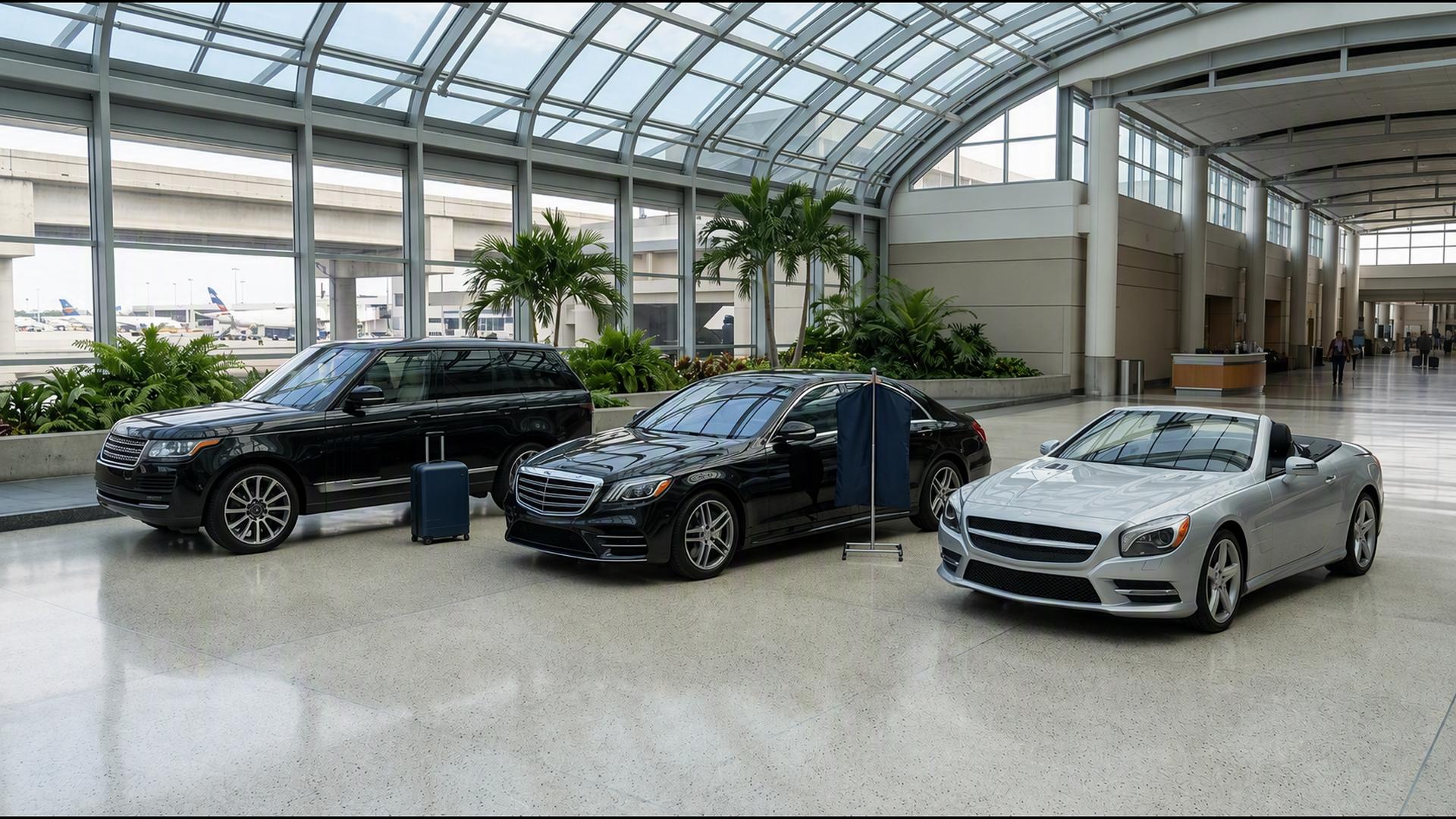
Matching the Car to the Occasion: Premium and Luxury Rentals at Orlando International Airport (MCO)
Denver International Airport is the gateway to a Colorado trip that can change character surprisingly quickly. One traveller may spend several days between Downtown Denver, Cherry Creek, and Boulder, while another may leave DEN and head directly towards ski resorts, mountain passes, or a longer Rocky Mountain road trip. Denver sits about 25 miles from the airport, and most conventional rental companies operate from airport-property facilities reached by courtesy shuttles from Jeppesen Terminal's Level 5, Island 4. That makes vehicle choice worth thinking about before arrival, particularly when comfort, all-wheel drive, luggage space, or a premium experience matters. Here are eight car rental options serving DEN and the different strengths they bring to a Colorado itinerary.
1. Turo: Vehicle-Level Choice for Colorado Driving
Turo has a structural advantage for travellers whose Colorado plans make the individual vehicle important. Instead of relying on a centrally owned fleet divided mainly into fixed rental categories, Turo is supplied by individual hosts listing their own vehicles. That creates a broad mix of sedans, luxury cars, SUVs, trucks, sports cars, EVs, and specialised models around Denver. For a trip where one day might involve city streets and another might involve Interstate 70 towards the mountains, travellers can build the search around the characteristics they actually want rather than beginning with a general class.
DEN pickup also works differently from the conventional rental-car process. Rather than taking one of the traditional rental-company shuttles from Level 5, Island 4, Turo guests using airport delivery can collect vehicles from permitted locations including the East Garage, West Garage, East Economy Lot, West Economy Lot, Long's Peak Lot, and Pike's Peak Lot. Park My Share is also an approved alternative location. When a host and guest arrange an approved in-person handoff, the meeting takes place outside the Westin Hotel, reached from Level 5 through the RTD Plaza. The available fleet can include AWD or 4WD-oriented choices such as Subaru Outbacks, Subaru Crosstreks, and Jeep Wrangler 4xe models, alongside EVs including the Tesla Model 3, Tesla Model Y, Hyundai IONIQ 6, Kia EV6, and Subaru Solterra. Exact availability naturally changes by date and host.
The defining difference is that the booking is built around a specific, individually listed vehicle. Turo requires hosts to provide the make, model, year, accurate features, and clear photographs of the car being listed, while previous guests can leave ratings and written reviews that appear on the vehicle listing. The included driving distance is disclosed before booking and appears again during checkout, and odometer photographs are documented as part of the trip process. For a Colorado journey, that extra visibility can be useful when details such as AWD, snow-rated tyres, cargo capacity, EV range, seating, or a particular model are part of the travel plan rather than simply preferences to sort out after landing.
2. Enterprise Rent-A-Car: Broad Premium SUV Depth
Enterprise has a particularly extensive SUV catalogue for travellers who want more passenger and luggage capacity. Its Denver selection spans everyday crossovers through premium and luxury SUV classes, with examples including the Infiniti QX80, Jeep Grand Wagoneer, BMW X7, Mercedes-Benz GLS, Range Rover Sport, and larger extended models depending on availability. Enterprise Plus adds another useful layer for repeat renters, with qualifying rentals earning points towards free rental days and higher membership tiers providing additional benefits. Enterprise is one of the major operators serving DEN through the airport's Level 5 rental-car shuttle system.
3. Budget Car Rental: Fastbreak Convenience for Straightforward Trips
Budget combines a wide airport rental operation with a service model aimed at getting regular customers through pickup and return efficiently. Its DEN facility is on airport property and is reached by shuttle from Island 4, with the vehicle lot located only several minutes from the terminal. Travellers enrolled in Budget Fastbreak can use expedited pickup procedures, while Fastbreak Return allows members to leave the vehicle in the designated return area and receive their receipt electronically. For visitors who want a familiar airport-rental process with plenty of mainstream car and SUV categories, it is a practical fit.
4. Thrifty: Blue Chip Benefits for Frequent Renters
Thrifty provides a conventional airport rental option with a useful loyalty programme for travellers who rent regularly. Its Blue Chip Rewards programme offers quicker reservations, pickup, and returns, along with member discounts and rewards points that can be applied towards qualifying rentals. Membership is free, and Thrifty continues to operate at Denver International Airport as one of the companies connected to Jeppesen Terminal by the airport rental-car shuttle system. That combination makes it especially straightforward for travellers who already use the brand or prefer having their rental preferences stored in a traditional loyalty account.
5. Avis: Preferred Service and App-Based Convenience
Avis is a strong option for travellers who place a premium on reducing the administrative side of airport pickup. Avis Preferred members can earn points on qualifying rentals and use expedited service at participating locations, while QuickPass adds app-based tools that can allow eligible customers to choose, exchange, or upgrade vehicles and use a QR code at the exit gate. Avis operates a dedicated DEN facility on East 78th Avenue reached from the terminal's rental shuttle area, giving business travellers and leisure visitors access to a broad fleet without leaving the established airport-rental network.
6. Hertz: Gold Plus Rewards and a Varied Denver Fleet
Hertz combines a substantial Denver operation with one of the industry's established loyalty programmes. Its DEN facility operates around the clock, and Hertz Gold Plus Rewards offers features such as points towards rental days, expedited pickup at participating locations, and Ultimate Choice vehicle selection where available. The current DEN fleet shown by Hertz includes standard vehicles alongside premium options such as the Infiniti QX50 and Cadillac XT5, giving travellers room to move between practical city transport and more comfortable SUV formats. Shuttle service to the facility leaves from Level 5, Island 4 on both sides of Jeppesen Terminal.
7. Dollar Car Rental: Simple Rewards and Road-Trip Flexibility
Dollar offers another established DEN option with a focus on uncomplicated reservations and rewards. Dollar Express Rewards members earn points on qualifying rental spending and receive benefits that include quicker reservations, pickup and returns, plus an authorised additional driver benefit for a spouse or domestic partner. Dollar also supports one-way rentals on selected routes, which can be useful for travellers treating Denver as the starting point rather than the end point of a wider western road trip. Its Denver International Airport branch is part of the rental network serving arriving passengers at DEN.
8. Sixt: Premium European Brands and Flexible Returns
Sixt places premium vehicles at the centre of its Denver offering. Its local luxury range highlights manufacturers such as BMW, Mercedes-Benz, Range Rover, and Cadillac, with luxury sedans and SUVs suited to both city stays and longer drives into Colorado. The DEN branch also offers 24/7 vehicle returns and flexible digital reservation management. For travellers who prefer an established rental company but want to concentrate their search towards premium European cars and upscale SUVs, Sixt provides a particularly relevant fleet mix directly within the Denver airport rental system.
Choosing the Right Car for the Colorado Itinerary
The best premium rental from Denver International Airport depends less on the badge on the bonnet than on what happens after leaving Peña Boulevard. A polished sedan can be an excellent match for meetings, restaurants, and urban hotels, while groups carrying skis or substantial luggage may find a larger SUV considerably more useful. Mountain travel adds another layer because drivetrain, tyres, weather, cargo room, and driving range can all become meaningful considerations. Looking at those details alongside pickup convenience, loyalty benefits, and the type of fleet each company provides is the most useful way to match the rental to the actual occasion.
Frequently Asked Questions About Renting a Car in Denver
How Do Colorado's Changing Seasons Affect the Car I Should Rent?
Mountain conditions can be substantially different from weather in Denver itself, particularly from autumn through spring. Colorado's Passenger Vehicle Traction Law applies on the I-70 mountain corridor between Morrison and Dotsero from September 1 through May 31, with requirements involving AWD or 4WD, qualifying tyres, or approved traction equipment depending on the vehicle and conditions. Anyone planning mountain travel during that period should confirm the vehicle's drivetrain and tyre specification before departure and check current CDOT road conditions before heading west.
Does High-Elevation Driving Require Any Different Driving Habits?
The elevation itself is usually less important to vehicle choice than the steep gradients, long descents, sharp weather changes, and reduced traction that can accompany Colorado mountain roads. Drivers should leave additional stopping distance in poor weather, avoid excessive speed on downhill stretches, and use an appropriate lower gear or controlled regenerative braking where the vehicle supports it rather than relying continuously on the brake pedal. Conditions can deteriorate quickly on the I-70 corridor, so allowing extra journey time is also sensible.
Are Electric Rental Cars Practical for Trips From Denver Airport?
They can be, particularly for Denver, Boulder, and routes where charging stops can be planned in advance. Current Turo listings around DEN include vehicles such as the Tesla Model 3, Tesla Model Y, Hyundai IONIQ 6, Kia EV6, and Subaru Solterra, while Colorado has thousands of public charging ports. Longer mountain itineraries require more planning because sustained highway speeds, climbing, and cold temperatures can reduce EV range. In winter, starting with a strong charge and identifying suitable fast chargers along the route is particularly worthwhile.
Can I Make Sure I Get the Kind of Vehicle I Want for Mountain Driving?
The answer depends on the rental model. Conventional companies commonly reserve by vehicle category, so an AWD SUV category can narrow the field without necessarily identifying one precise model. Enterprise, for example, notes that AWD and 4WD SUVs are offered but availability should be checked for the reservation. Turo approaches the question through individual listings, where travellers can inspect the model, drivetrain and listed features of the particular vehicle before booking. For winter travel, it is worth checking tyre specifications as well as drivetrain because Colorado's traction requirements address both.
Do Traditional Rental Cars at DEN Require a Shuttle?
Yes. Denver International Airport states that its conventional rental-car facilities are on airport property but separate from Jeppesen Terminal. Courtesy shuttles collect passengers from Level 5, Island 4, outside doors 505-513 on the east side and 504-512 on the west side. Turo airport delivery follows a different system, using designated garages, economy lots, other permitted parking areas, or an approved in-person meeting outside the Westin Hotel rather than the conventional rental-company shuttle route.
What Type of Rental Car Makes Sense for a Longer Colorado Road Trip?
For a summer trip largely using paved highways, a comfortable sedan or crossover may be entirely sufficient. An SUV becomes more useful when the journey involves several passengers, ski equipment, bulky luggage, winter conditions, or repeated mountain routes. During the colder part of the year, drivetrain and tyre specification deserve more attention than vehicle size alone. Drivers planning the I-70 mountain corridor should make sure the vehicle meets current Colorado traction requirements rather than assuming that simply renting a large SUV automatically makes it winter-ready.